
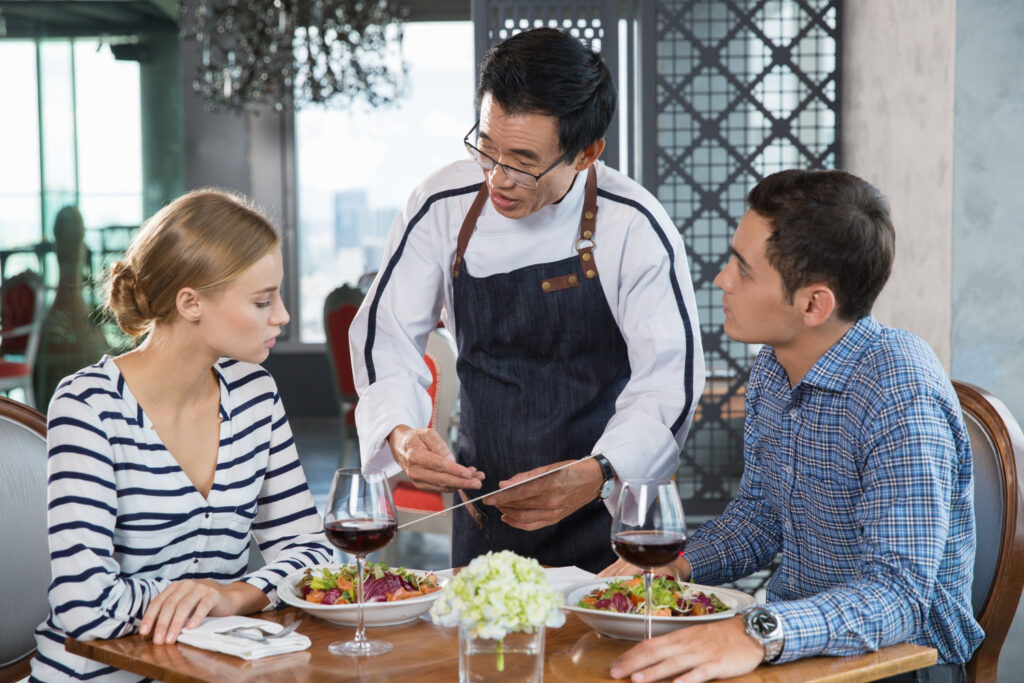
The food service industry is changing fast. Customers now expect more than quick meals. They want correct orders, fresh food, friendly service, and smooth pickup experiences. Many restaurants focus heavily on speed, but speed alone does not build trust. At Mershimer Group, we understand that reliable operations help restaurants create stronger customer relationships and long-term business success.
Today, restaurant operational reliability is one of the biggest factors behind customer loyalty and business growth. Reliable restaurants create better customer experiences, reduce mistakes, and improve long-term profits.
According to the National Restaurant Association, over 70% of diners say order accuracy and consistent service strongly affect where they choose to eat. Customers may wait a few extra minutes if they know their food will arrive correctly and safely.
This article explains why reliability matters more than speed, how restaurants can improve operations, and what steps help build stronger customer relationships in modern food service.
Understanding Restaurant Operational Reliability
Restaurant reliability means giving customers a smooth and dependable experience every time they visit. This includes correct orders, clean dining areas, polite staff, and proper food timing. Restaurants that focus on reliability often create stronger customer trust and long-term success. Reliable systems also help reduce waste, lower stress for workers, and improve daily operations across all service channels.
Many restaurant owners believe faster service always creates happier customers. While speed is important, rushed operations often lead to errors. Wrong meals, missing items, and pickup delays can quickly damage customer trust.
A report from Toast showed that nearly 40% of diners care more about order accuracy than fast service. This proves that dependability plays a major role in customer satisfaction today.
Reliable restaurants also handle busy periods better because they use organized systems and clear communication between teams.
The Difference Between Speed and Reliability
Fast service focuses mainly on reducing wait times. Reliable service focuses on giving customers a complete and positive experience. Restaurants that only chase speed often create operational problems that hurt quality and customer trust over time.
For example, customers may receive food quickly but become frustrated if items are incorrect or cold. In the debate around restaurant speed vs quality, many customers now choose quality and consistency over rushed service.
Reliable restaurants build trust by maintaining strong standards during both busy and slow hours.
Why Customers Prefer Reliable Restaurant Experiences
Customers have many food choices today. They can easily switch to another restaurant after one bad experience. This makes reliability more important than ever before. Restaurants that deliver dependable service often gain repeat customers, better reviews, and stronger community support.
Modern diners expect smooth service across dine-in, delivery, and takeout orders. They want restaurants to respect their time and provide accurate communication.
According to PwC research, 73% of consumers say customer experience affects their buying decisions. Restaurants that maintain service consistency usually perform better in competitive markets.
Consistency Builds Emotional Trust
Customers return to businesses they trust. Consistent experiences create comfort and confidence. When diners know their order will be correct and ready on time, they feel more relaxed and satisfied.
This trust directly supports restaurant loyalty because customers prefer dependable experiences over unpredictable service. Restaurants that fail to maintain standards often lose repeat business very quickly.
Consistency also helps restaurants build stronger online reputations. Positive reviews often mention accurate service, friendly staff, and dependable timing.
The Real Cost of Poor Reliability
Poor reliability creates many hidden problems inside restaurants. While businesses may serve orders quickly, operational mistakes can increase costs and reduce profits over time. Reliable systems help restaurants avoid these challenges and improve overall performance.
Incorrect orders often lead to refunds, wasted food, and customer complaints. Employees also spend more time fixing problems instead of helping guests.
According to Deloitte, restaurants with strong operational systems usually improve profit margins by reducing waste and improving workflow efficiency.
Pickup Delays Hurt Customer Trust
Pickup delays are one of the biggest frustrations for modern diners. Customers ordering online expect clear updates and accurate timing. Long waits create stress and reduce customer satisfaction.
Restaurants can lower pickup delays by improving kitchen communication and organizing order preparation systems. Better scheduling and order tracking also improve operational efficiency during busy hours.
Restaurants that consistently delay pickup orders often receive poor ratings on delivery platforms and review websites.
How Reliable Operations Improve Restaurant Performance
Reliable operations create better teamwork, smoother workflows, and stronger customer experiences. Restaurants with organized systems can handle busy periods more effectively while maintaining quality standards.
Reliable businesses often experience:
- Fewer order mistakes
- Lower food waste
- Better customer retention
- Improved employee morale
- Stronger online reviews
- Increased profitability
Restaurants that focus on long-term operational reliability usually outperform competitors that focus only on speed.
Clear Processes Improve Employee Performance
Employees perform better when restaurants provide clear instructions and organized systems. Reliable restaurants use training guides, operational checklists, and communication tools to reduce confusion.
Simple procedures help workers stay calm and focused during high-pressure situations. Better organization also improves customer satisfaction because teams can complete tasks more accurately.
Strong training programs also reduce employee turnover by creating supportive work environments.
Technology Helps Restaurants Stay Reliable
Technology now plays a major role in modern foodservice operations. Restaurants use digital tools to improve communication, monitor orders, and reduce operational errors. These systems help teams stay organized while improving service quality for customers.
According to Statista, digital restaurant orders continue growing each year. Restaurants using integrated systems often manage customer demand more successfully.
Technology helps improve order readiness by providing real-time updates to both kitchen staff and customers.
Smart Systems Reduce Operational Mistakes
Kitchen display systems, automated scheduling tools, and order tracking software help restaurants improve consistency. These systems reduce confusion and improve timing during busy periods.
Restaurants using smart technology often improve operational efficiency because teams can manage workloads more accurately.
Reliable technology also helps managers identify workflow problems quickly before they affect customer experiences.
Why Employee Training Matters in Foodservice
Employee training remains one of the most important parts of restaurant success. Even advanced technology cannot replace skilled and prepared workers. Restaurants that invest in training often create better customer experiences and stronger operational performance.
Training helps employees understand food quality standards, customer service expectations, and operational procedures.
Well-trained teams communicate better and handle busy situations more effectively.
Accountability Supports Service Consistency
Reliable restaurants build strong accountability systems. Employees understand their responsibilities and work together to maintain high standards.
Managers should regularly review customer feedback, operational performance, and employee workflows. This helps restaurants improve service consistency over time.
Some restaurants use mystery shopping services to evaluate customer experiences and identify service gaps. These reviews provide valuable information that supports operational improvements.
Delivery and Takeout Need Reliable Systems
Delivery and takeout services continue growing across the restaurant industry. Customers now expect reliable experiences even when dining outside the restaurant. Businesses that fail to maintain quality during delivery often lose customer trust quickly.
Late deliveries, damaged packaging, and missing items create negative experiences that hurt restaurant reputations.
Restaurants that improve restaurant operational reliability usually perform better across delivery platforms and customer review websites.
Accurate Communication Improves Satisfaction
Customers appreciate honest updates about wait times and order preparation. Restaurants should avoid unrealistic promises simply to appear faster than competitors.
Clear communication helps reduce frustration and improve customer satisfaction. Reliable service creates stronger long-term customer relationships than rushed operations.
This balance between restaurant speed vs quality continues shaping the future of foodservice operations.
Measuring Reliability in Restaurant Operations
Restaurants must track important performance indicators to improve reliability. Data helps businesses identify problems and make smarter operational decisions.
Key metrics include:
- Order accuracy rates
- Average wait times
- Customer complaints
- Refund requests
- Online review scores
- Employee turnover rates
Tracking these numbers helps restaurants improve workflows and maintain stronger operational standards.
Audits Help Improve Operations
Many restaurants use operational reviews to maintain service quality across locations. A franchise compliance audit helps businesses ensure teams follow company standards and procedures correctly.
Some restaurant groups also use Franchise Royalty Audits to review financial accuracy and operational consistency across franchise locations.
These systems help restaurant brands maintain quality while supporting long-term business growth.
Learning From Retail and Franchise Operations
Restaurants can improve operations by learning from other industries. Retail businesses often use organized systems to improve customer experiences and reduce losses. These strategies also support stronger restaurant performance.
For example, retail loss prevention services help businesses reduce operational risks and improve accountability across locations.
Restaurants can apply similar systems to improve inventory control, reduce waste, and strengthen daily operations.
Consulting Services Improve Operational Performance
Many restaurant owners work with outside experts to improve workflows and customer experiences. Retail merchandising consulting helps businesses organize customer-facing operations more effectively.
Restaurant owners may also work with a business franchise consultant to improve training systems, operational procedures, and franchise performance.
These strategies help businesses create more reliable and scalable restaurant operations.
Building Customer Loyalty Through Reliability
Customer loyalty is one of the most valuable assets in food service. Loyal guests often spend more money and recommend restaurants to friends and family members. Reliable service plays a major role in building these strong customer relationships.
Customers return to restaurants that consistently deliver positive experiences. Dependable service creates emotional trust and comfort.
Reliable restaurants also receive stronger online reviews, which helps attract new customers.
Positive Experiences Create Repeat Business
Guests remember smooth experiences more than extremely fast service. Restaurants that focus on quality, communication, and consistency often build stronger customer relationships over time.
Improving service consistency helps restaurants stand out in highly competitive markets. Small operational improvements can create long-lasting customer loyalty.
Restaurants that focus on reliability usually experience more stable long-term growth.
Leadership Plays a Major Role in Reliability
Strong leadership is essential for maintaining reliable restaurant operations. Managers must create realistic expectations, support employees, and improve workflows regularly.
Good leaders focus on communication, organization, and customer experience. They help teams stay motivated and accountable during busy periods.
Reliable leadership creates healthier work environments and stronger operational performance. To get more information about business franchise consultant you can also check out the website.
Small Changes Create Big Results
Restaurants do not need major changes overnight. Small operational improvements often create meaningful long-term results.
Improving kitchen communication, reviewing customer feedback, and organizing workflows can greatly improve customer satisfaction.
Reliable restaurants focus on steady improvement rather than chasing speed alone.
The Future of Foodservice Depends on Reliability
Customer expectations will continue to rise in the future. Diners now expect accurate orders, clear communication, and dependable service from every restaurant they visit.
Restaurants that focus only on speed may struggle with rising customer complaints and operational challenges. Businesses that prioritize reliability often create stronger customer trust and more sustainable growth.
Operational excellence has become a major competitive advantage in modern food services.
Restaurants that invest in training, technology, and organized systems are better prepared for long-term success.
Conclusion
Modern restaurants cannot rely on speed alone to succeed. Customers now expect accurate orders, dependable service, and consistent experiences every time they visit. Businesses that focus on restaurant operational reliability often improve customer satisfaction, reduce pickup delays, and build stronger restaurant loyalty over time. Reliable systems also support better operational efficiency, lower waste, and healthier team performance. From technology investments to employee training, every improvement helps create stronger customer trust and long-term growth. Restaurants looking to strengthen operations and improve consistency should take action now. Contact us Mershimer Group today to discover how expert operational strategies can help your restaurant improve reliability, customer experience, and long-term business success.
FAQs
1. Why is reliability more important than speed in restaurants?
Reliability helps restaurants provide accurate orders, better quality, and dependable service. Customers often value consistent experiences more than extremely fast service.
2. How do pickup delays affect restaurant performance?
Pickup delays reduce customer satisfaction and hurt online reviews. Repeated delays can lower customer trust and reduce repeat business.
3. What improves operational efficiency in restaurants?
Clear workflows, strong communication, employee training, and smart technology systems help improve operational efficiency in restaurants.
4. How can restaurants improve service consistency?
Restaurants can improve service consistency through organized training, performance monitoring, operational reviews, and better communication systems.
5. Why are audits important for restaurant operations?
Operational reviews such as a franchise compliance audit help restaurants maintain standards, improve accountability, and support long-term business growth.